Your Health Upgrade
- Sleep Improvement
- 5 min read
Creating an Optimal Sleep Environment
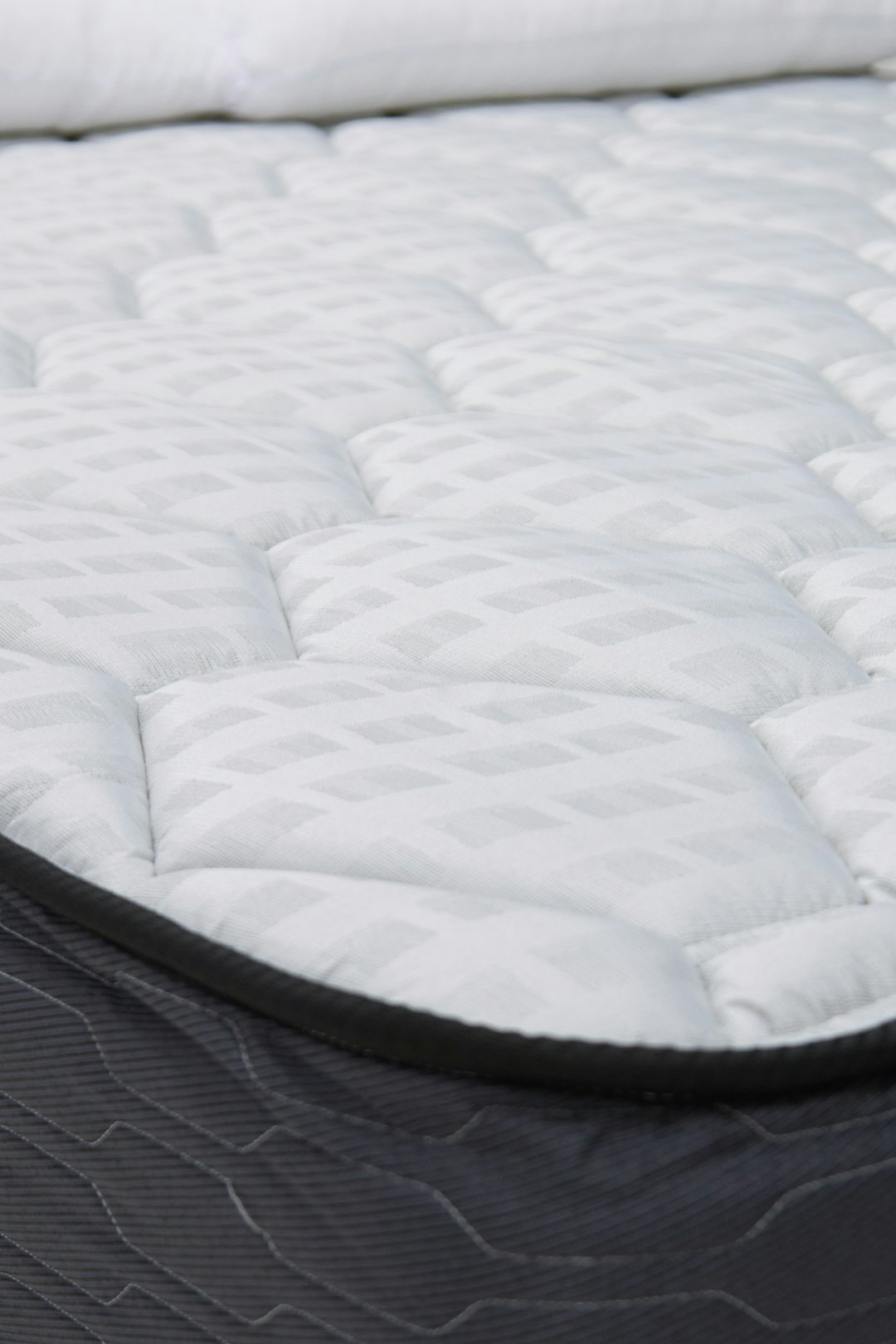
Your bedroom environment has a profound impact on sleep quality. Simple adjustments to temperature, lighting, and noise can transform your rest without supplements or medications.
Optimize Temperature
The ideal sleep temperature is 60-67°F (15-19°C). Your body temperature naturally drops during sleep, and a cool room facilitates this process. Use breathable bedding, a fan, or air conditioning to maintain this range.
Eliminate Light
- Install blackout curtains or blinds
- Cover or remove electronic lights (LEDs from clocks, chargers)
- Use a sleep mask if complete darkness isn’t possible
- Avoid bright lights in the bathroom (use red nightlight)
Control Noise
Use white noise machines, fans, or earplugs to mask disruptive sounds. Consistent background noise often improves sleep quality better than complete silence.
Invest in Quality Bedding
A comfortable mattress, supportive pillows, and breathable sheets directly affect sleep quality. Replace mattresses every 7-10 years and pillows every 1-2 years.
Reserve Bedroom for Sleep
Remove work materials, exercise equipment, and screens from the bedroom. This creates a mental association between your bedroom and rest, making it easier to fall asleep.
The Bottom Line
Small environmental changes compound into significant sleep improvements. Start with temperature and darkness—these two factors alone can dramatically enhance sleep quality within days.